Setting Up a Shared Household Supply Shelf for Multigenerational Homes
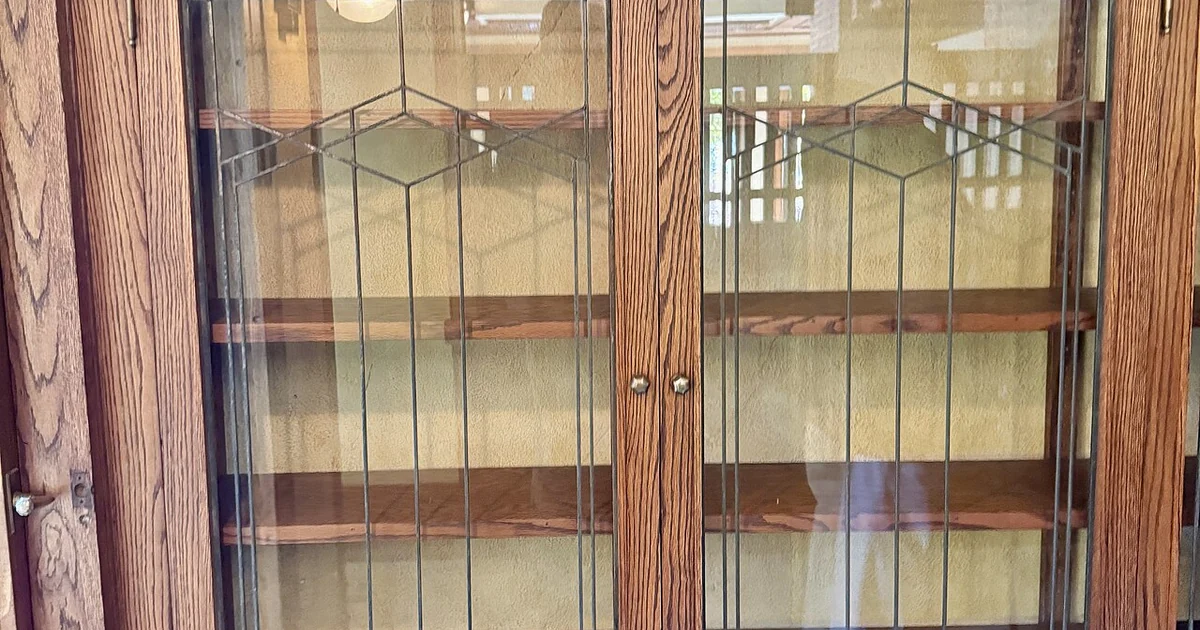
In many Asian homes, several generations share one roof, and the supply cupboard becomes a quiet source of friction. Grandparents buy extra laundry detergent, parents restock the wrong size of batteries, and teenagers finish the last roll of tissue without telling anyone. A shared supply shelf, organized with a few simple rules, can turn that daily confusion into a calm routine. This article explains how to set one up, what to track, and which questions to settle as a family before anyone reaches for a checkout button.
Start by Mapping What Your Household Actually Uses
Before you buy a single bin or label, spend one week noting every household consumable that runs out. Include kitchen staples, cleaning products, toiletries, paper goods, first-aid basics, light bulbs, batteries, and pet supplies if you have them. Write the items in a simple notebook or shared note on a phone. The goal is an honest picture of consumption, not an ideal one.
Once you have the list, group items by where they live in the home and how often they are used. Daily items such as dish soap and toilet paper belong in a front-line zone that is easy to reach. Weekly or monthly items, like bulk rice or cleaning concentrates, can sit on a lower or back shelf. Seasonal or emergency items should be kept in a separate, clearly marked area. This grouping alone often reveals duplicates that were hidden in different corners of the house.
Assign Clear Ownership for Each Category
Shared shelves fail most often when nobody knows who is responsible for restocking. Instead of asking everyone to help with everything, divide the supply list into categories and assign an owner to each one. One person might handle kitchen consumables, another handles bathroom and laundry, and a third tracks electronics and batteries. Ownership does not mean that person pays for everything; it means they are the one who watches the level, decides when to reorder, and communicates the need.
Write the assignments on the inside of the cupboard door or on a sheet taped nearby. Include a backup name for each category so that a busy week does not stop the system. Review the arrangement once every few months, because household roles change as children grow, relatives move in or out, and work schedules shift.
Set Restock Thresholds Instead of Waiting for Empty
The most practical habit a shared shelf can adopt is the restock threshold. Rather than buying only when a product is gone, decide on a level that triggers a purchase. For example, when only one spare roll of toilet paper remains, or when a detergent bottle is below one-quarter full, the category owner adds it to the list. Thresholds prevent emergencies and reduce the impulse to over-buy during a panic.
Mark the threshold physically if you can. A piece of colored tape on a bottle, or a sticky note on a shelf edge, makes the signal visible to everyone without a conversation. Keep these markers simple so they are easy to update when your usage changes.
A Practical Checklist Before You Buy
Before adding any item to a shared order, the household can ask a short set of questions. Is this item already on the shelf, possibly in a different spot or under a different name? Does someone else in the family prefer a different brand, size, or formula, and have they been consulted? Will this item fit the storage space available, or will it crowd something more important? Is the quantity sensible for how fast we use it, or are we buying ahead of need? Does it match any allergy, sensitivity, or household rule, such as fragrance-free products for a baby or elderly relative?
Keeping these questions on a small card near the shelf helps everyone pause before a purchase. The pause is often more valuable than any organizing product, because it stops repeated buying and keeps the shelf matched to real use. These are general household practices, not product recommendations, so adjust them to your own family's needs.
Keep the System Lightweight Enough to Last
A supply system that requires constant upkeep will be abandoned within a month. Choose a tracking method that fits the least enthusiastic person in the house. A paper list on the fridge, a shared checklist on a messaging app, or a plain notebook can all work. Schedule a short check once a week, perhaps during a meal everyone attends, to review levels and confirm who is buying what. Ten minutes of attention each week keeps the shelf honest and prevents the slow buildup of duplicates and expired goods.
Over time, you will learn the household's real rhythm. You may discover that laundry supplies last twice as long as expected, or that children go through snacks faster during exam season. Let the shelf evolve with those patterns. A multigenerational home works best when its systems reflect how people actually live, not how a plan on paper said they should.