Vertical Storage Tactics for Compact Asian Homes Without Clutter
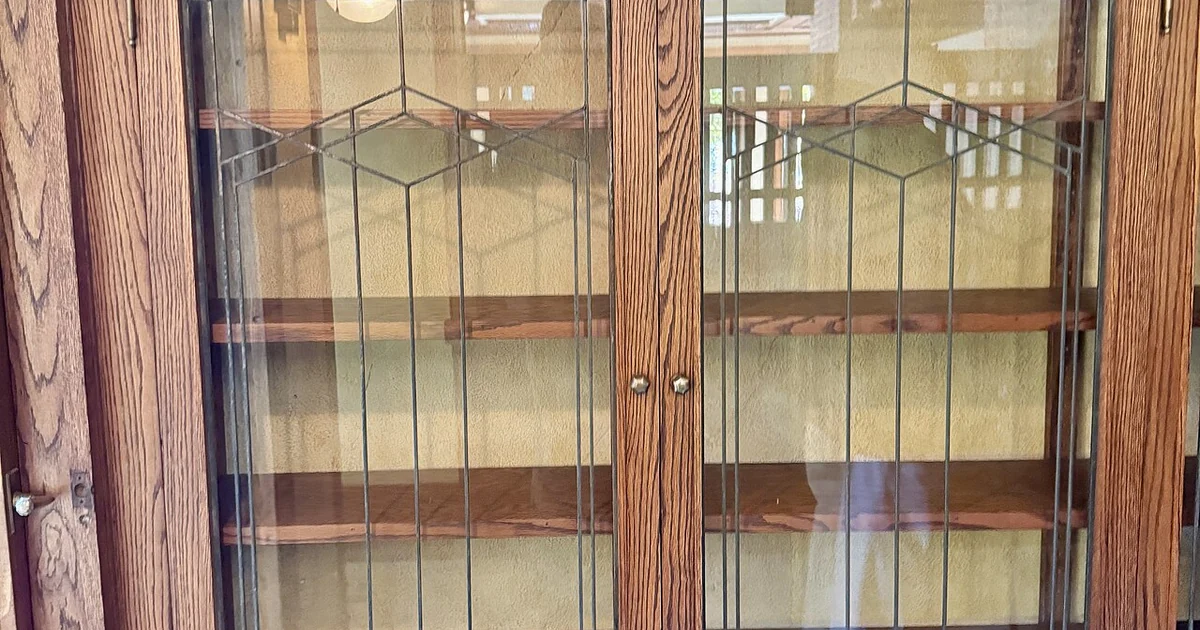
In many Asian cities, a family of four may share a home smaller than a single large living room elsewhere. Floor space is scarce, but wall space and the air above eye level are often underused. Vertical storage is the practice of moving everyday items upward and out of the way, so the floor stays open and daily routines flow more smoothly. This article looks at how to plan vertical storage for a compact home, how to match storage to the way your household actually lives, and what to check before you buy anything that promises to solve the problem.
Start With a Map of How Space Is Used
Before choosing any shelf or hook, walk through your home over a normal weekday and note where things pile up. The entrance may collect shoes, bags, and keys. The kitchen counter may hold cooking tools that were never meant to live there. The children's corner may spread toys across the only open floor. These spots show where storage is missing, not just where clutter appears.
Write a short list of the five most congested points in your home. For each one, note the height range that is currently empty. Many compact homes have a wide gap between the top of a cabinet and the ceiling, or a blank wall above a desk. These are the zones where vertical storage can work without blocking movement.
Match Storage Height to Access Frequency
Not everything belongs at eye level. Items you reach for daily, such as a towel, a mug, or school bags, should sit between shoulder and hip height where they are easy to grab. Items used weekly or seasonally, such as extra bedding or holiday decorations, can go higher or into less accessible spaces. Heavy items should stay low and secure, since lifting something heavy from a high shelf is both awkward and risky.
A simple rule is to sort by frequency first and dimension second. Place frequent items in the comfortable middle band, rarely used items up high in clearly labeled containers, and fragile or heavy objects on lower, stable surfaces. This keeps the system usable for everyone in the household, including older family members and children who need safe access.
A Checklist for Evaluating Storage Products
Many storage products look similar in photos, so it helps to ask specific questions before buying. Check the stated load capacity and whether it applies to a single shelf or the full unit. Measure your wall or cabinet space carefully, including depth, since a shelf that projects too far can block a doorway or narrow a walkway. Confirm what the mounting requires: some wall types need anchors, and rental or shared apartments may restrict drilling.
Ask whether the material suits your environment. Humidity and cooking steam can affect some finishes and fabrics, which matters in kitchens and bathrooms. Check whether the product's dimensions match the containers you already own, so you avoid wasted space between units. Finally, consider whether the piece can be adjusted or reused if your family's needs change, since a flexible system often serves a household longer than a single-purpose fixture.
Keep the System Light and Revisit It Often
Vertical storage works best when it is simple enough to maintain. Overloaded shelves tend to collapse back into clutter, because putting things away becomes a chore. Leave some open space on each shelf so items can be returned quickly. Use clear containers or consistent labels when hiding items, so family members can find and restore things without rummaging.
Set a short review every month or season. Ask which items you never touched, which spots keep getting cluttered, and whether any shelf has become a dumping ground. Small adjustments, such as moving a basket from a high shelf to a lower hook, often improve daily flow more than a major purchase. Over time, your home will reflect how your family truly lives, rather than how a storage display looked in a catalog.